
AtlasAgent

No designer had ever touched this product. I built the design system and led the team from scratch.
- Work
- Design SystemDesign directionUser InterfaceVisual Design
- Tools



Atlas Agent is an AI-powered real estate coordination platform. It helps real estate teams manage client relationships, track transactions, automate workflows, and coordinate everything from one dashboard.

THE BEGINING
I reached out to the owner cold. The landing page looked outdated and I thought I could fix it. He agreed.
After we finished he liked the work enough to bring me on monthly for pitch deck work and social media design.
Then he asked if I wanted to lead the design of the platform itself. I said yes.
That decision changed the scope of everything and taught me more about what design leadership actually requires than any project before or since.
THE PROCESS
The platform existed but had never been touched by a designer. No design system. No component library. No layer naming. Screens built by engineers and shipped directly.
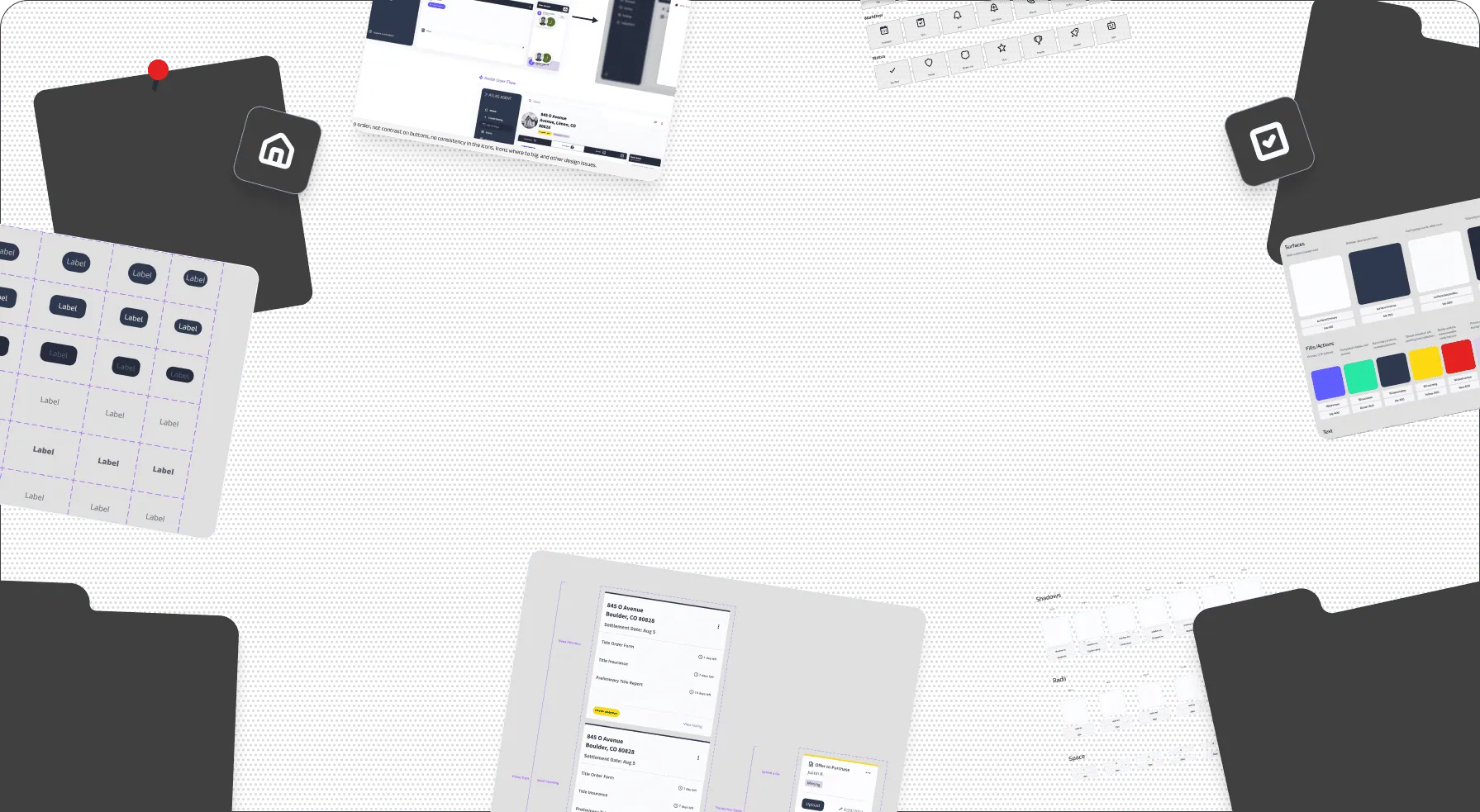
My first move was to document what existed. Every screen rebuilt in Figma just to establish a baseline.
Then I set up a style guide, colors, components, responsive patterns and started teaching the other designers how to use it.
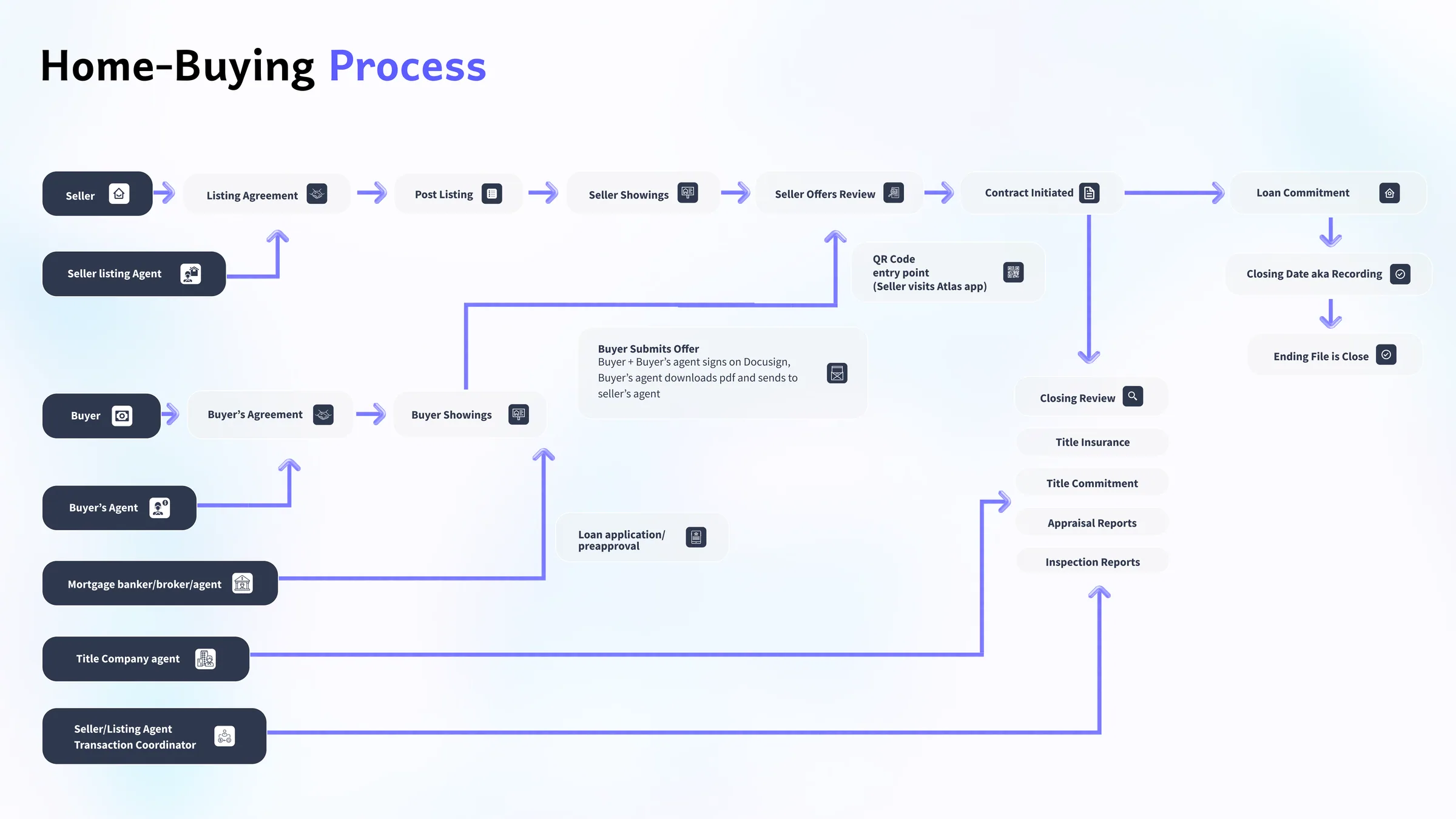
Each page in our Figma file represented a feature or a user flow. A separate file held the design system. That architecture kept the team from stepping on each other, at least in theory.
The problem was above the design layer. The CEO attended every stakeholder meeting and made product decisions in the room. Making change that were overscope
THE WORK
Three areas. Each one a different layer of what the platform needed to do.
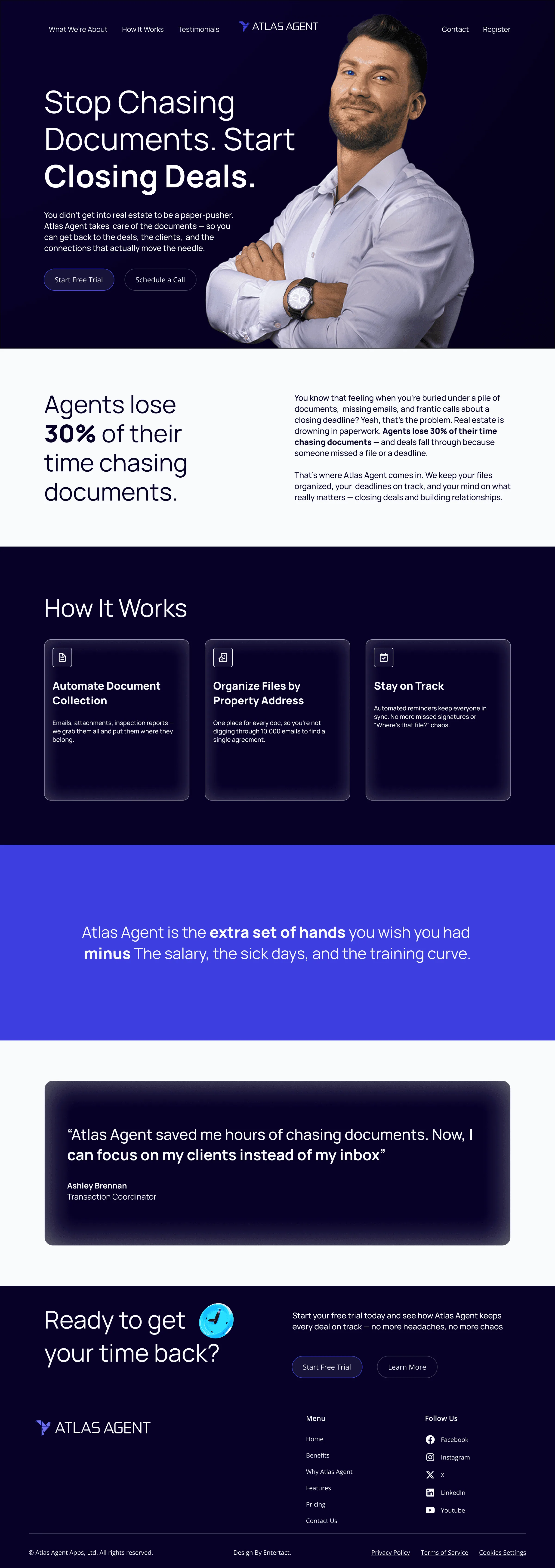
Landing Page
The brand promise before the product. Realtors are drowning in documents, the landing page leads with that pain directly. Built for conversion: clear headline, problem framing, how it works, social proof, and a CTA. Designed for both desktop and mobile from the same visual system.
Onboarding
Getting a new user from sign-up to first meaningful action inside a complex coordination tool. Every step had to feel inevitable not overwhelming.
I designed the entire flow from authentication through workspace setup, team invitations, and first-use activation.
Interact With demo Sign in/ Default
Listing creation
Covering the full coordination lifecycle, transaction management, client communication, task tracking, billing and payment, document handling. Every single action designed end to end. This was the heart of the product.
Interact With demo Create-Team
DocuSign integration
The final phase before I left, a mobile app layer with AI assistance for routine tasks. Smaller scope but technically the most forward-looking work on the platform.
Interact With demo Dashboard/Default
WHAT SHIPPED
The platform launched and acquired real clients. The most significant deliverables:
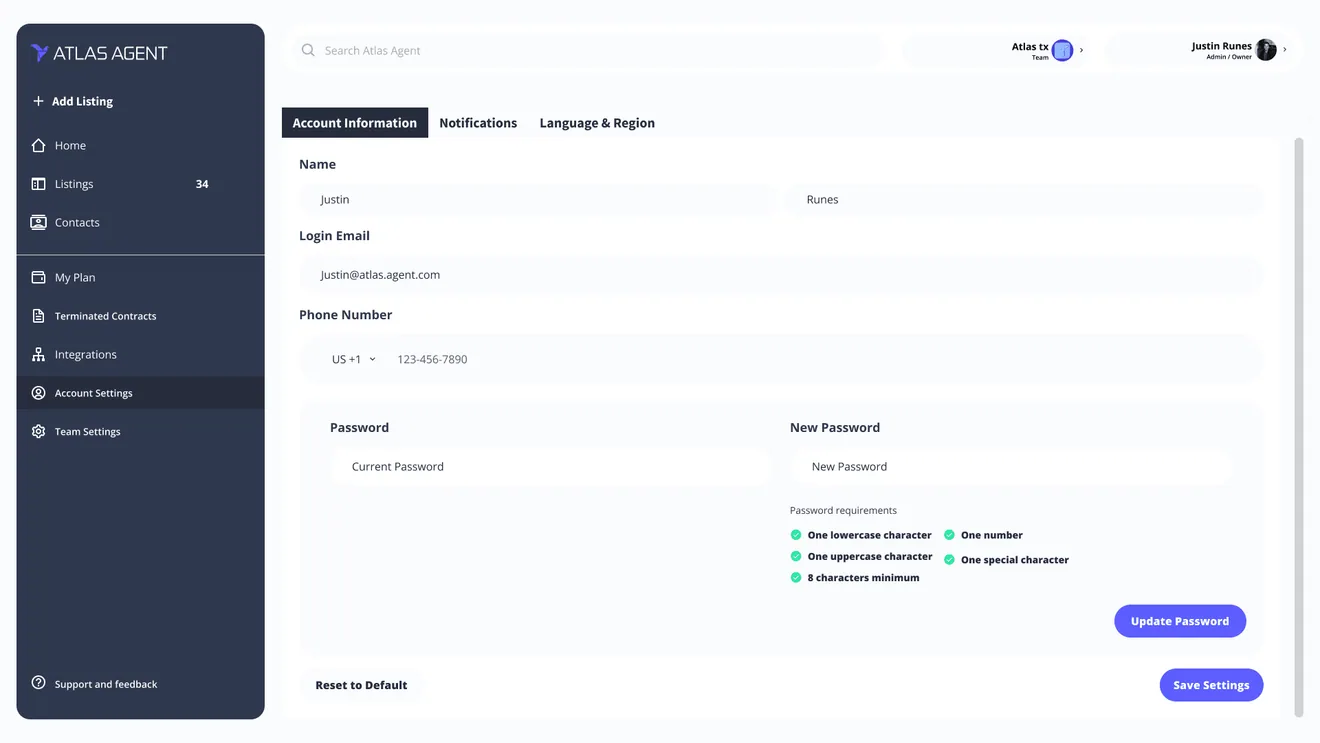
Account Settings
Full user profile management name, email, password with validation rules, notification preferences by type and schedule, language selection, and timezone configuration. Designed to match the benchmark of leading SaaS platforms.
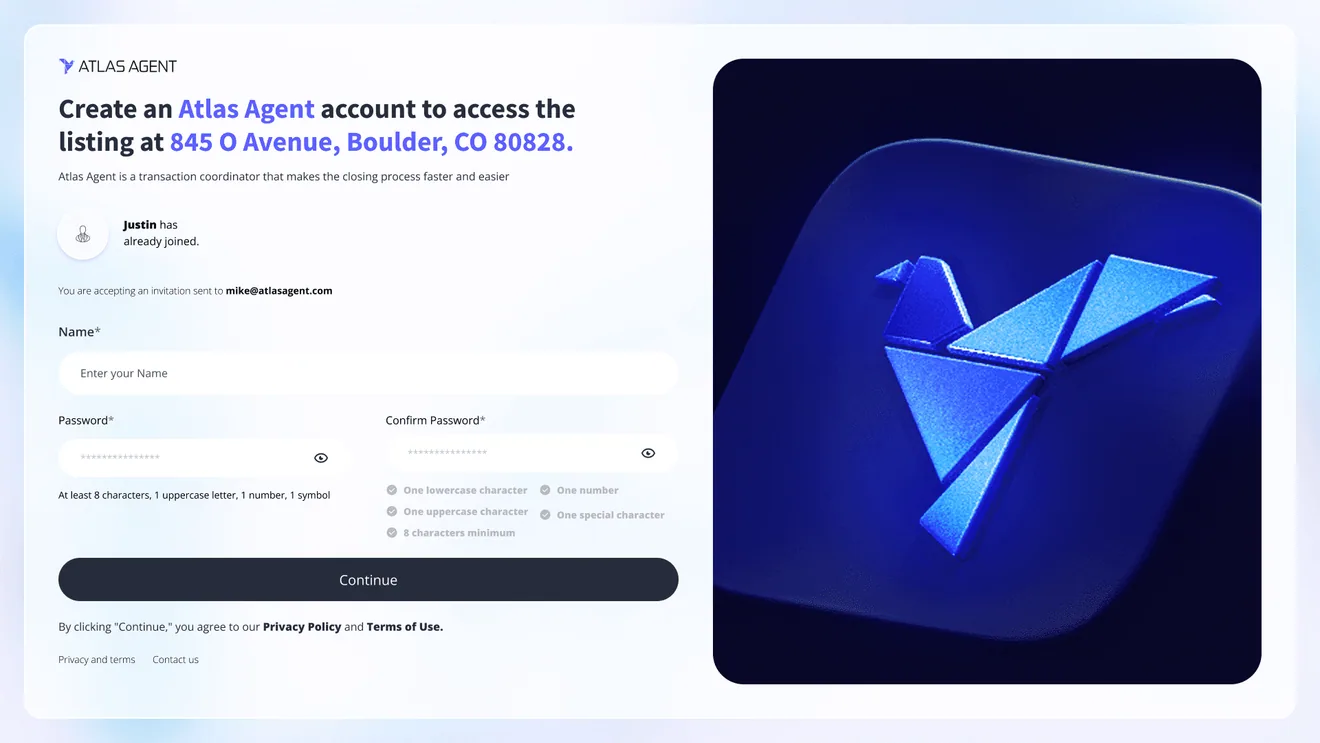
Invite members
Team invitation flow inspired by how Slack handles member onboardin, fast, clear, and role-aware. Enter an email, assign a role, done. No technical knowledge required. The goal was zero friction between deciding to add someone and them being active on the platform.
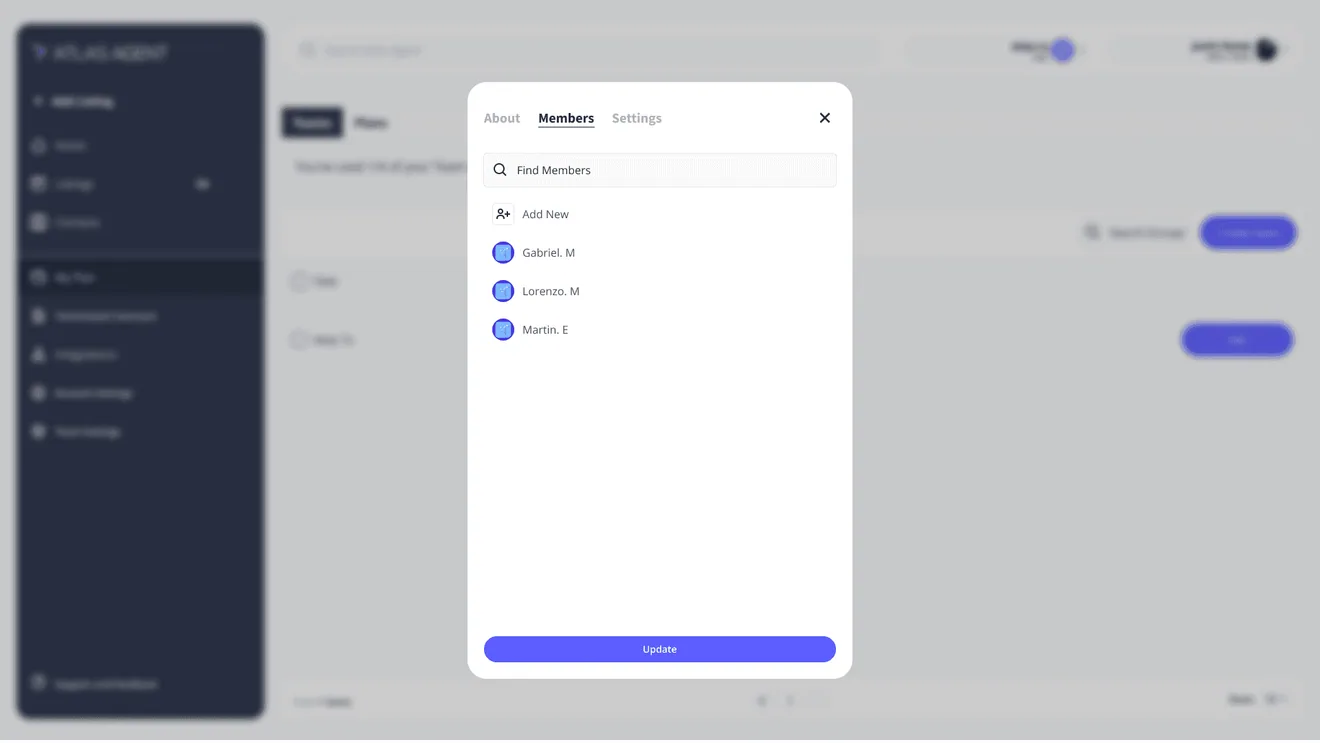
Edit Members
Full team management view — edit existing member roles, adjust access levels, and remove members when needed. Designed so team leads could manage their roster without going through a developer.
Plan Setup
End-to-end billing flow covering plan selection, payment method entry, and subscription management. Designed with the same rigor as the core product, because a friction point at billing kills otherwise good products.

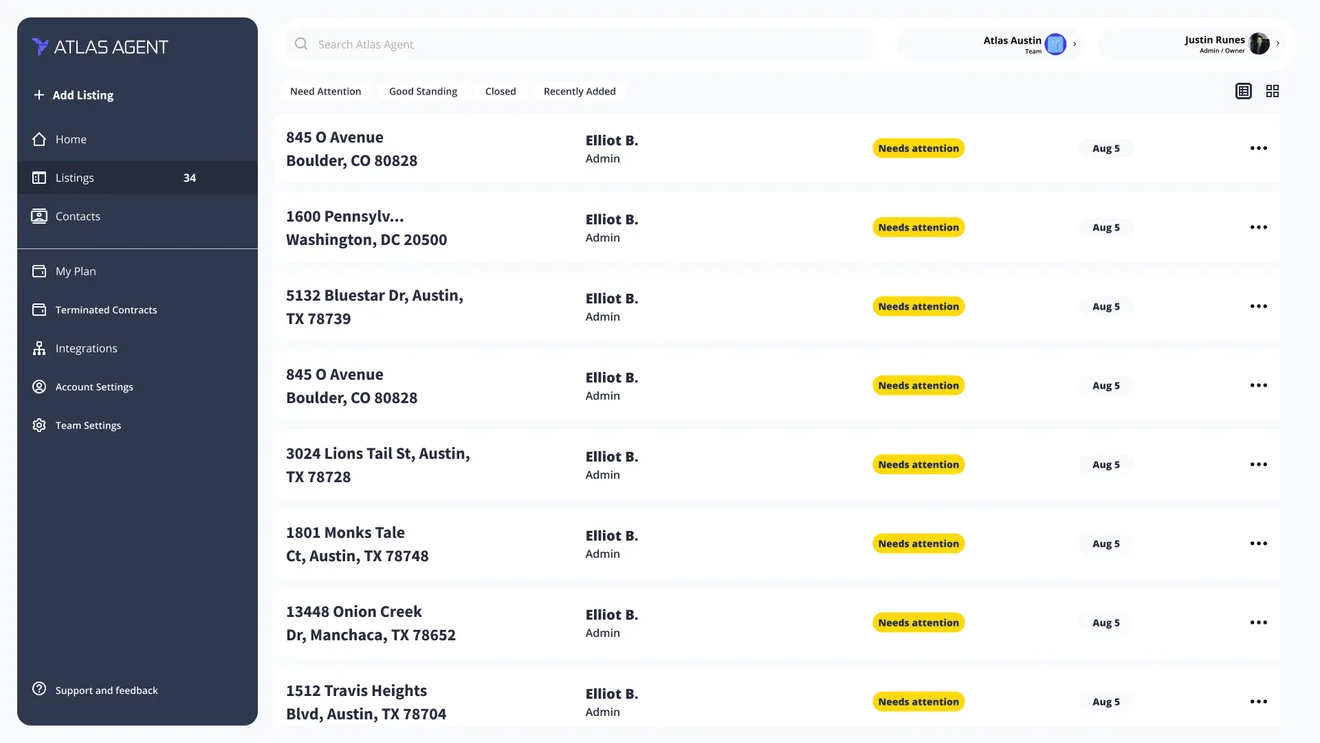
Listing View
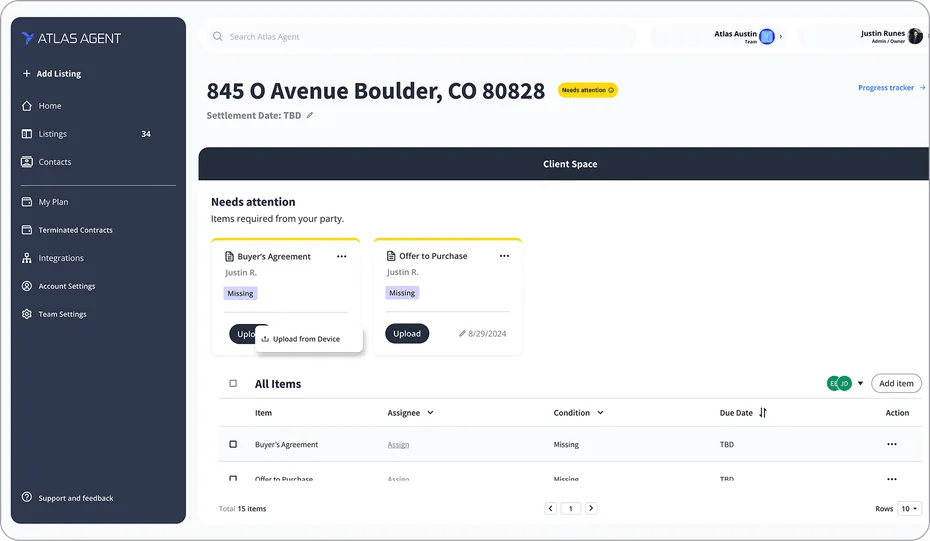
The central hub for an active transaction. Every document, deadline, task, and communication tied to a specific listing in one place. Designed so realtors could see what needs attention right now without scrolling through noise
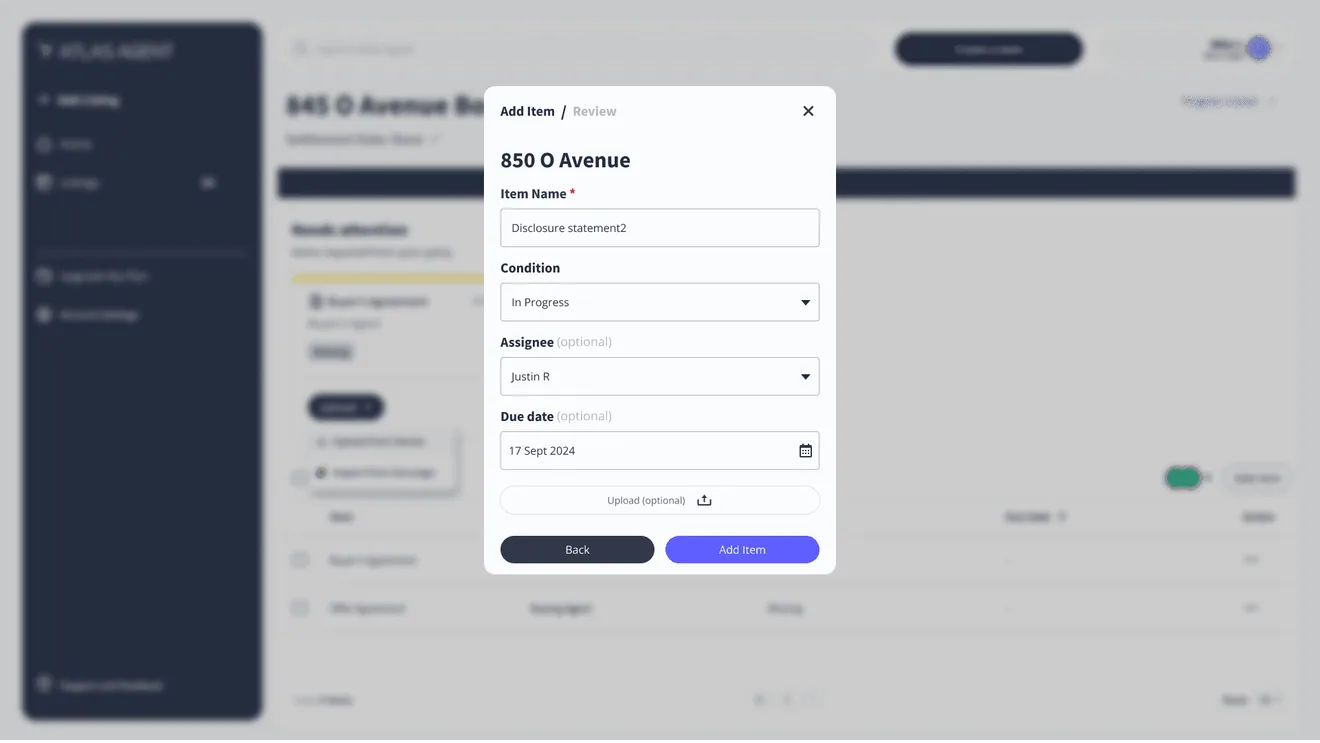
Add item
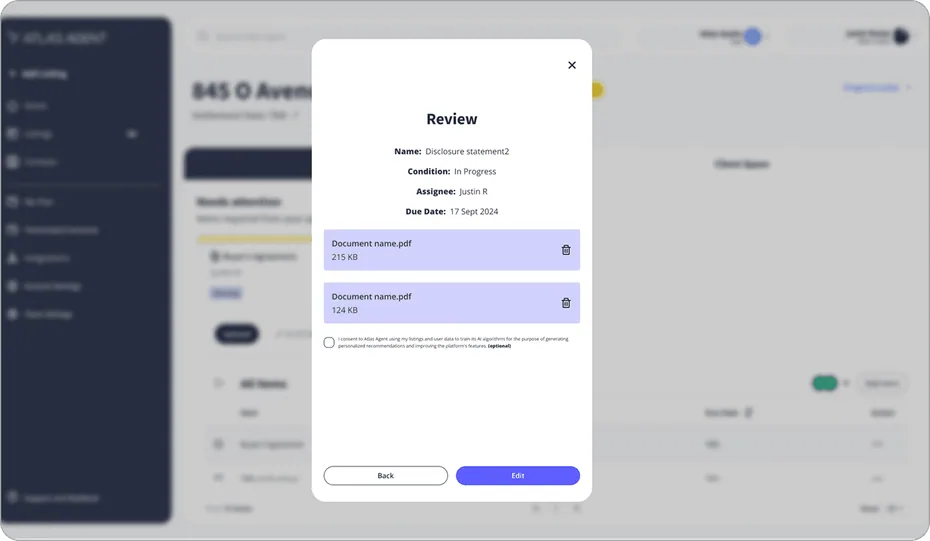
More than a file upload, a full item creation flow for anything that belongs to a transaction. A task, an annotation, a document, a deadline, a note. Realtors manage dozens of moving parts per deal. Add Item gave them one consistent way to capture all of it without switching context.
What I'd Do Differently
Recruit users before you recruit investors.
We spent months building features nobody tested. I'd start with 100 people using a clickable Figma prototype. First month free in exchange for feedback. By the time we shipped anything, those 100 people would already love it — because they helped build it. Mouth to mouth from people who were part of the process is worth more than any pitch deck.
A title without authority is just a label.
I had Lead Designer on paper. The CEO made the product decisions in every meeting I was in. Features got added weekly based on what individual clients asked for. I should have made the authority question explicit before accepting the role — or walked away when it became clear the structure wasn't there. Design leadership only works when the lead can actually lead.
Validation is not optional. It's step one.
More than 20 features shipped. As far as I know, none of them were tested with real users before going live. We built on instinct and client requests instead of evidence. The product couldn't find its value fast enough. I now ask one question before designing anything: have you tested this hypothesis with a real person? If the answer is no, that's where we start.
Atlas Agent taught me the difference between building a product and building the right product. They're not the same thing, and the gap between them is always user research you skipped